Sidewalks, Walkways & Flatwork
Safe, attractive pathways that guide visitors and enhance your property's curb appeal.
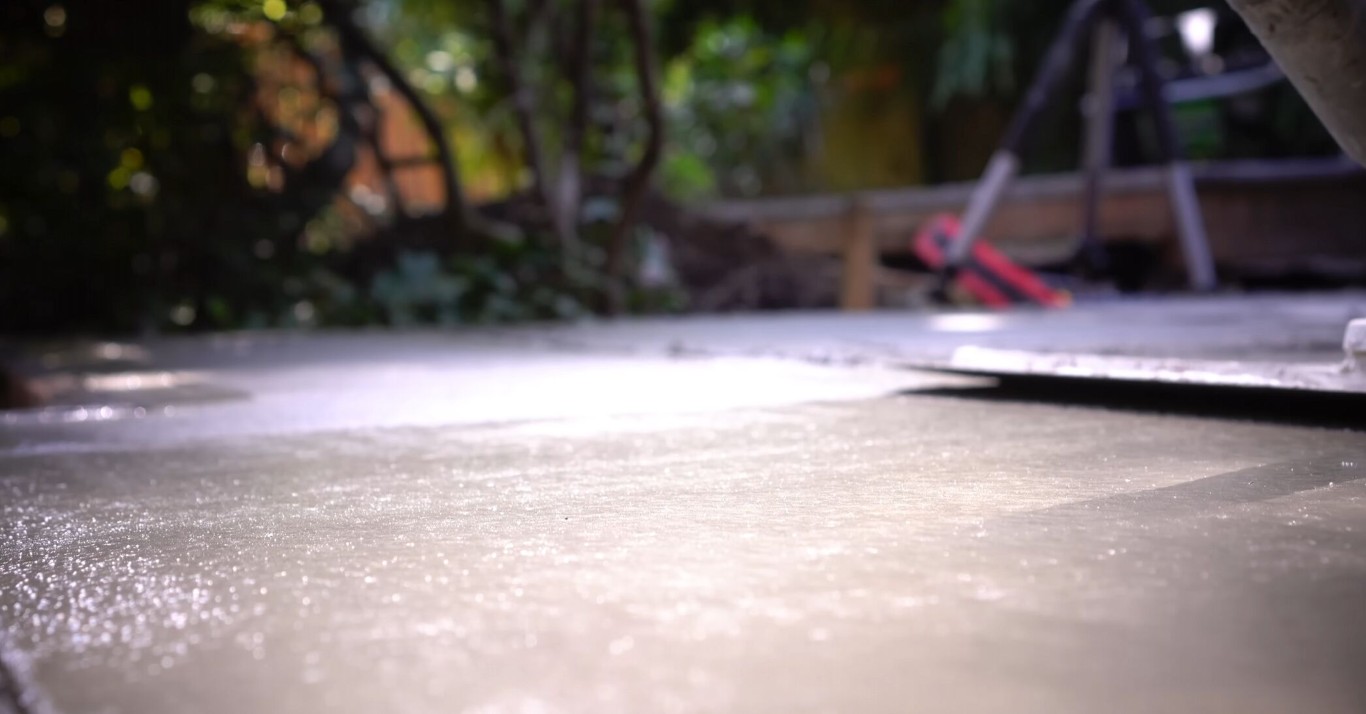
The path from your driveway to your front door, the sidewalk in front of your house, the walkway around your garage. These concrete surfaces might not seem exciting, but they serve important purposes. They provide safe, level walking surfaces, direct foot traffic where you want it, prevent mud and grass from being tracked inside, and add to your home's overall appearance.
UptownView Chicopee Concrete installs all types of concrete flatwork, from simple utility paths to decorative walkways that become landscape features. We handle residential sidewalks, commercial walkways, accessibility ramps, and any other flat concrete work your property needs.
Types of Walkways and Flatwork
Different areas of your property need different types of concrete work. Here's what we install and where each type works best.
Front Walkways
The path from your driveway or sidewalk to your front door is often the first thing visitors see. We can pour simple, functional walkways or create curved, decorative paths that add character to your landscaping. Width typically ranges from 3 to 5 feet. We make sure the walkway has proper slope for drainage and includes non-slip texture for safety.
Public Sidewalks
Municipal sidewalks in front of your property need to meet local code requirements for width, thickness, and accessibility. We're familiar with Chicopee's sidewalk specifications and can handle permits and inspections. Public sidewalks typically need to be 4-5 feet wide and include proper curb cuts at corners for accessibility.
Garden Paths
Paths through your yard or garden can be purely functional or decorative focal points. We can create straight utility paths or winding garden walkways with curves and varying widths. These paths are often great candidates for stamped patterns that complement your landscaping.
Wheelchair Ramps and Accessible Paths
We build ADA-compliant ramps and accessible pathways that meet code requirements for slope, width, and handrail placement. These installations improve safety and accessibility for anyone with mobility challenges.
Commercial Walkways
Businesses need safe, well-maintained walkways for customers and employees. We pour commercial sidewalks, building entrances, and pedestrian paths that handle heavy foot traffic and meet commercial building codes. These often require thicker concrete and specific finish requirements.
Important Design Considerations
Good walkways aren't just concrete poured between two points. Here's what we think about when planning your walkway project.
- •Width: Main walkways should be at least 4 feet wide so two people can walk side by side comfortably. Secondary paths can be 3 feet wide.
- •Slope: Walkways need slight slope (about 1-2%) for drainage but can't be so steep they're difficult to walk on or don't meet accessibility requirements.
- •Curves: Curved walkways look more natural in landscaped settings but require more forming work. We can create smooth curves that flow with your yard's layout.
- •Thickness: Residential walkways are typically 4 inches thick. Commercial walkways often need 5-6 inches to handle heavier use.
- •Finish: Smooth finishes look clean but can be slippery when wet. Broom finish provides traction. Stamped or textured finishes add visual interest while maintaining safety.
- •Borders and Edging: Different colored borders or decorative edges can dress up a simple walkway without much extra cost.
How We Build Your Walkway
Proper walkway installation follows the same principles as any concrete work, just on a smaller scale. Here's our process.
First, we mark out the path and excavate to the proper depth (typically 6-8 inches total). We remove roots, rocks, and organic material that could cause settling. Then we install and compact a gravel base, usually 2-4 inches of crushed stone. This provides stability and drainage.
Next, we set up forms to hold the concrete at the right width, thickness, and slope. For curved walkways, we use flexible forming materials. We pour concrete at the specified thickness (usually 4 inches), screed it level, and finish it with the texture you've chosen. We add control joints every 4-5 feet to control where any future cracks will form.
After the concrete cures for 24-48 hours, we remove the forms and backfill the edges. We can add landscaping, edging stones, or other finishing touches to complete the project. The entire process typically takes 2-3 days for a standard residential walkway, plus curing time before heavy use.